
Depression: Can Different People Have Different Symptoms?
“Depression” can mean a lot of different things and it can be experienced in a variety of ways. Children and teens may act out more when feeling depressed than those that are older. Women often report more feelings of sadness than men and men tend to experience more anger and reckless behaviors associated with depression. Older adults tend to experience depression more physically and may report feelings of hopelessness more often than those that are younger. While this may be true for many in these demographics, that may not be the case for all. Depression is experienced in different ways, unique to each individual.
Depression is often depicted in movies, television and literature. While it is a popular topic, even in these portrayals it is described differently. Erica Westly of Scientific American writes, “To Emily Dickinson, it was ‘fixed melancholy.’ To essayist George Santayana, it was ‘rage spread thin.’”
Statistics and Depression
According to the Centers for Disease Control and Prevention (CDC), the prevalence of depression in US adults and adolescents has increased 60% in the past decade. These startling numbers were found in the National Health and Nutrition Examination Survey (NHANES).
There are many other interesting figures about depression. According to The Mayo Clinic the incidence and prevalence rates vary by gender, age, and ethnicity. In particular, it says, “Women are nearly twice as likely as men to be diagnosed with depression.” While this trend has been found by many studies, it may be complicated by a number of factors.
Depression and Gender
There is growing evidence that symptoms of depression may vary with gender. Recognizing these differences in the depressive symptoms between men and women is important for diagnosis and treatment. According to the Scientific American article, “For women, the primary emotion of depression is usually sadness. For men, it is more typically anger or irritability, often coupled with recklessness.” Consequently, the chance of men ignoring the symptoms and going untreated is higher.
What could be causing these differences? According to Mental Health America, the contributing influences to the susceptibility of women to depression include biological and social or cultural factors.
The biological factors include “developmental, reproductive, hormonal, genetic and other biological differences (e.g., premenstrual syndrome, childbirth, infertility and menopause).” PMS (premenstrual syndrome) and PMDD (premenstrual dysphoric disorder) aren’t really unusual among women. About 20 to 40 percent experience PMS, and 3 to 5 percent are estimated to experience PMDD. The symptoms include depressive symptoms the week before their monthly period.
The social factors, on the other hand, include “stress from work, family responsibilities, the roles and expectations of women and increased rates of sexual abuse and poverty.”
Cultural vs. Biological: The Science Behind the Differences
Could it be biological that women with depression experience more sadness and men have the tendency to be angry or impulsive when depressed, or is it more cultural?
Some experts believe that there should be no significant differences in symptoms between the genders, because the brain chemistry of depression is basically the same for both. They believe that social norms and expectations influence how symptoms are expressed.
These “cultural believers,” however, may be becoming more the minority. More experts today support the idea that biology plays an important role in depression. There is growing evidence that hormones influence depression and its symptoms. The evidence that hormones affect brain chemistry is undeniable, from the womb and throughout life. Though brain chemistry is basically the same regardless of gender, the interactions of hormones (and their varying levels) with the neurotransmitters could be different, explaining prevalence and symptom differences.
Seeking Help from Someone Who Understands
When men manifest recklessness and irritability for no apparent reason, it could be a sign of depression, even when they aren’t sad. When overwhelmed by responsibilities, women may feel sad and want to isolate, this could also be a symptom of depression.
Depression is powerful, but don’t let it leave you feeling powerless. Help is available. Carolina Counseling Services in Fuquay-Varina, North Carolina contracts with skilled licensed therapists and psychiatric professionals.
Therapy and psychiatric medication management are powerful interventions in treating depression. Your mental health matters. With CCS you don’t have to choose between therapy and medication management, you can receive both at the same time, one or the other. The choice is yours.
If you are looking for exceptional mental health care in Fuquay-Varina, NC look no further than CCS. Treatment isn’t limited to the Fuquay-Varina area. CCS has offices all over North Carolina and also offers online appointments allowing you to get the care you need and deserve, easier than ever before, anywhere in NC! Reach out today to make your first appointment!
Providers are in network with most major insurances including Aetna, Aetna State Health Plan, Blue Cross and Blue Shield of North Carolina (Blue Cross NC), Medicaid, Tricare and more! Call today to learn more.
Related Articles:
- Depression and Chronic Medical Disorders
- Bringing Back the Enjoyment Stolen by Depression
- Finding Hope Again through Counseling
- Major Depression: When Help is the Only Way Out
- Finding Interest or Pleasure After Losing them to Depression
- Getting Through College and Depression
- Overcoming Postpartum Depression: Enjoying Motherhood
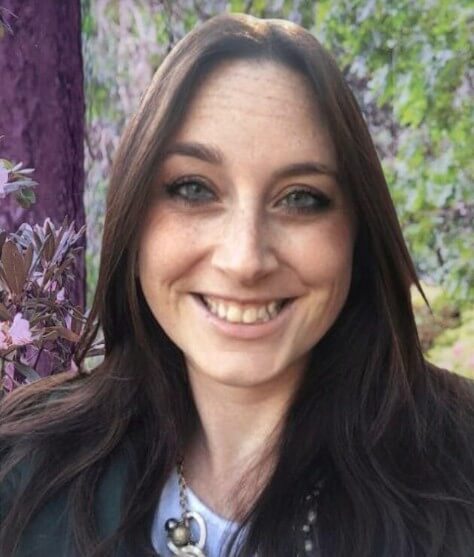
Jaime Johnson Fitzpatrick LCMHCS, LCAS is one of the Owners and Vice Presidents of Carolina Counseling Services. She is a Licensed Clinical Mental Health Counselor and Licensed Clinical Addictions Specialist in the State of North Carolina as well as a Licensed Mental Health Counselor in State of New York. Jaime is also certified in Dialectical Behavioral Therapy and utilizes various other approaches in her practice.

 The Teacherage offices are Accessible with an Accessible restroom.

 PO BOX 9909 Fayetteville, NC 28311