
When “No” Is More Than Just a Phase: Understanding Oppositional Defiant Disorder (ODD)
Most children go through a stage where their favorite word is “no.” Around age two, toddlers begin asserting their independence by resisting directions and testing limits. As children grow, this defiance usually softens—only to reappear during the teen years as they work to form their identity.
In most cases, this behavior is a “normal” part of development. However, there is an important difference between typical childhood resistance and a condition known as Oppositional Defiant Disorder (ODD).
Understanding that difference can help you as a parent know when to simply stay consistent—and when to seek extra support.
What Is ODD?
Oppositional Defiant Disorder (ODD) is a behavioral condition characterized by an ongoing pattern of:
- Frequent anger or irritability
- Argumentative or defiant behavior
- Blaming others for mistakes
- Deliberately annoying others
- Refusal to follow rules or comply with requests
All children display some of these behaviors occasionally. The key difference with ODD is frequency, intensity, and duration.
When Do Symptoms Start?
Early signs of ODD can emerge during preschool years, though symptoms may also become more noticeable between the ages of 6-8. A diagnosis is considered when:
- Behaviors occur on most days for at least six months (in children under 5), or
- Behaviors occur at least once per week for six months (in children over 5)
And most importantly, these behaviors significantly impact relationships at home, school, or other settings.
Symptoms of ODD
A child with ODD may:
- Lose their temper frequently
- Be easily annoyed or angered
- Appear resentful or vindictive
- Argue persistently with adults or authority figures
- Refuse to follow rules
- Blame others for their own mistakes
- Intentionally provoke or upset others
While occasional tantrums and arguments are developmentally appropriate, a consistent pattern over time may signal something more.
Is ODD Hard to Recognize?
One of the most confusing aspects of ODD is that symptoms don’t always appear everywhere.
Some children:
- Struggle primarily at home but function well at school
- Show challenges in multiple environments
- Mask behaviors in structured settings but release emotions in “safe” spaces
This inconsistency can leave parents feeling unsure or even isolated. If you’re questioning whether your child’s behavior is typical—or something more—you are not alone.
What Can Help?
If you suspect your child may be experiencing oppositional defiant disorder, seeking professional guidance can be a great first step. Early intervention can make a meaningful difference.
Carolina Counseling Services in Durham, NC contracts with exceptional licensed therapists who can help. We understand how exhausting and emotional this journey can feel. A skilled counselor can work closely with both you and your child to:
- Strengthen emotional regulation skills
- Improve communication within the family
- Develop consistent behavioral strategies
- Support your parenting with practical tools and confidence
You don’t have to navigate this alone. With the right support, children with ODD can learn healthier ways to express their emotions—and families can rebuild connections and find peace again at home.
How to Get Started
If you’re concerned about your child’s behavior or simply want guidance, reaching out is a sign of strength—not failure. Our team at Carolina Counseling Services in Durham, NC is here to help.
Contact us today to schedule your first appointment and learn how we can support your family’s path forward.
Providers are in network with most major insurances including Aetna, Aetna State Health Plan, Blue Cross and Blue Shield of North Carolina (Blue Cross NC), Tricare, Medicaid and many more. Online sessions are also available making getting the quality treatment you deserve easier than ever before!
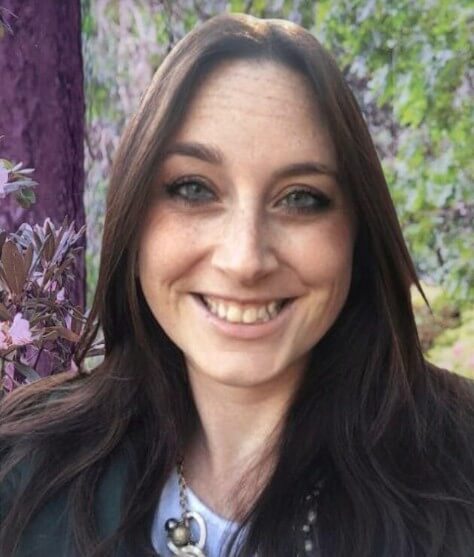
Jaime Johnson Fitzpatrick LCMHCS, LCAS is one of the Owners and Vice Presidents of Carolina Counseling Services. She is a Licensed Clinical Mental Health Counselor and Licensed Clinical Addictions Specialist in the State of North Carolina as well as a Licensed Mental Health Counselor in State of New York. Jaime is also certified in Dialectical Behavioral Therapy and utilizes various other approaches in her practice.

 The Teacherage offices are Accessible with an Accessible restroom.

 PO BOX 9909 Fayetteville, NC 28311