
Do You Have to Try Therapy Before Psychiatric Medication? Understanding Your Options
Many people assume that psychiatric medications should only be considered after therapy has been tried first. While this idea is common, it doesn’t reflect how mental health care actually works in practice.
Today, treatment is more flexible and individualized. Psychiatric medications are not reserved as a last resort—they are one of several tools that may be used at different stages of care, depending on a person’s needs.
What Psychiatric Medications Help With
Psychiatric medications are commonly used to support symptoms related to:
- Depression
- Anxiety disorders
- PTSD
- Bipolar disorder
- ADHD
These medications work by helping regulate brain chemistry, which can reduce symptom intensity, improve emotional balance, and support daily functioning. For many people, this relief makes it easier to participate in therapy and everyday life.
Is Medication Only for “After Everything Else”?
The idea that medication should only be used after other treatments fail is a myth. In reality, psychiatric medications may be considered:
- When symptoms are moderate to severe
- When daily functioning is significantly affected
- When therapy alone is not enough
- When sleep, work, or relationships are being disrupted
- When symptoms are strongly influenced by biological factors
For some individuals, medication may be helpful early in treatment. For others, therapy alone may be sufficient. There is no single required order.
How Therapy and Medication Work Together
Therapy and medication are often most effective when used in combination.
- Therapy focuses on thoughts, emotions, behavior patterns, and life experiences
- Medication helps reduce symptoms that may feel overwhelming or disruptive
Together, they can support both short-term symptom relief and long-term emotional growth.
Common Concerns About Psychiatric Medication
It’s normal to have questions or concerns before starting medication. Many people wonder about side effects, long-term use, or whether they will still feel like themselves.
These concerns are important and should always be discussed with a licensed provider. Treatment plans are not fixed—they are adjusted based on your needs and how you respond over time.
There Is No One “Right” Path
Mental health treatment is not one size fits all. Some people benefit from therapy alone, some from medication alone, and many from a combination of both.
What matters most is finding the approach that helps you feel more stable, supported, and able to function in daily life.
Rethinking the Idea of a “Last Step”
Rather than viewing psychiatric medication as something to try only when everything else fails, it is more helpful to see it as one option within a broader range of care.
For some, it provides stability during difficult periods. For others, it is part of a longer-term treatment plan—or not needed at all.
Getting Support That Fits You
If you are unsure whether therapy, medication, or both are right for you, a mental health professional can help you explore your options.
Reaching out for support is not a last resort—it is a positive step toward better mental health and well-being. Carolina Counseling Services in Durham, North Carolina contracts with exceptional licensed therapists and psychiatric professionals who know how to treat depression. If you or a loved one is struggling with symptoms of geriatric depression, reach out to CCS today to begin the journey toward emotional wellness.
Our Durham Office is conveniently located, serving not only Durham but also Hillsborough, Morrisville, Wake Forest, Chapel Hill and surrounding areas.
Providers are in network with most major insurances including Aetna, Aetna State Health Plan, Blue Cross and Blue Shield of North Carolina (Blue Cross NC), Tricare, Medicaid and many more. Online appointments are also available making getting the quality treatment you deserve – anywhere in North Carolina- easier than ever before!
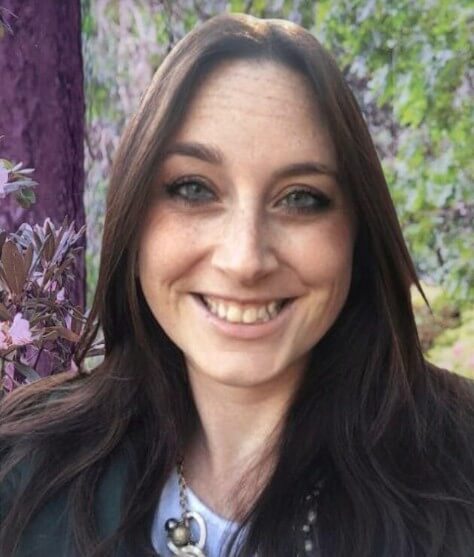
Jaime Johnson Fitzpatrick LCMHCS, LCAS is one of the Owners and Vice Presidents of Carolina Counseling Services. She is a Licensed Clinical Mental Health Counselor and Licensed Clinical Addictions Specialist in the State of North Carolina as well as a Licensed Mental Health Counselor in State of New York. Jaime is also certified in Dialectical Behavioral Therapy and utilizes various other approaches in her practice.

 The Teacherage offices are Accessible with an Accessible restroom.

 PO BOX 9909 Fayetteville, NC 28311