
Ending It: A Conversation That Can Save Lives
Audio Version
Talking about suicide is difficult. Even saying the word can bring up fear, sadness, or worry, for those struggling and for the loved ones supporting them. Many avoid the conversation, thinking silence will protect everyone involved. But avoiding it often leaves people feeling isolated with pain that can feel impossible to carry alone.
Here’s the truth, by the time someone shares suicidal thoughts, they’ve often been struggling quietly for a long time.
Suicidal thoughts usually build over time, through stress, depression, trauma, or untreated mental health concerns. Speaking openly, with compassion and without judgment, can save lives.
National Institute of Mental Health (NIMH), early recognition and discussion of suicidal thoughts is critical to prevention.
Direct, Compassionate Conversation Matters
Tiptoeing around suicide doesn’t help. When someone expresses thoughts of self-harm, it’s not attention-seeking, it’s courage. It’s a plea to be seen, heard, and supported.
Being calm, direct, and compassionate helps create a safe space. Silence, minimization, or brushing it off can unintentionally reinforce feelings of isolation.
The Centers for Disease Control and Prevention (CDC) notes that talking openly about suicidal thoughts is one of the most effective ways to help someone feel understood and supported.
Breaking the Stigma is Critical
Even today, many people hesitate to reach out for help because they believe:
- “I don’t want to burden anyone.”
- “Someone else deserves therapy more than me.”
- “I shouldn’t take up professional or personal time.”
The truth, your life matters, your feelings matter. Reaching out is an act of courage.
Supporting someone else doesn’t require perfect words, listening, staying present, and taking their thoughts seriously can make a significant difference.
You’re Not Alone, Carolina Counseling Services Durham NC
At Carolina Counseling Services in Durham, we offer a safe, compassionate environment to talk openly about suicidal thoughts, depression, and emotional struggles. You don’t have to face it alone.
We’re happy to support clients using Aetna, Aetna State Health Plan, Blue Cross Blue Shield of North Carolina, Tricare, and many Medicaid plans such as Alliance, Carolina Complete Health, WellCare, Healthy Blue, and UnitedHealthcare.
Clients come from Wake Forest, Chapel Hill, and surrounding areas seeking grounded, empathetic support that meets them where they are. We help clients navigate difficult moments, rebuild hope, and regain a sense of control over their life.
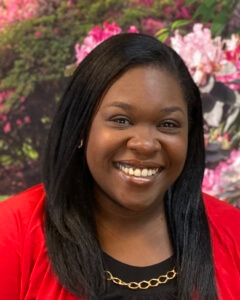
Ebone L. Rocker, LCMHCS, is one of the Owners and Vice Presidents of Carolina Counseling Services. She is a Licensed Clinical Mental Health Counselor Supervisor in the State of North Carolina.

 The Teacherage offices are Accessible with an Accessible restroom.

 PO BOX 9909 Fayetteville, NC 28311