
Spring Daylight Saving Time and Mental Health: Why the Time Change Can Feel So Hard
Spring often symbolizes renewal—longer days, warmer weather, and fresh energy. But when we transition into Daylight Saving Time, many people experience the opposite: fatigue, irritability, anxiety, or a temporary dip in mood.
If you’ve ever wondered why losing just one hour of sleep can feel so disruptive, the answer lies in how closely your mental health is connected to your body’s internal clock.
The Hidden Impact of Losing One Hour
Your brain operates on a circadian rhythm—a 24-hour cycle that regulates sleep, hormones, alertness, and emotional balance. When the clock suddenly moves forward in the spring, your internal rhythm doesn’t instantly adjust.
This can lead to:
- Difficulty falling asleep at night
- Trouble waking in the morning
- Reduced focus and productivity
- Increased stress sensitivity
- Emotional ups and downs
Even mild sleep deprivation can affect how well your brain manages stress and regulates mood.
How Spring Forward Can Affect Emotional Well-Being
Heightened Anxiety
Sleep disruption activates the body’s stress response. After the shift to Daylight Saving Time, some people notice:
- Racing thoughts
- Physical tension
- Feeling on edge
- Increased worry
When you’re tired, it’s harder for the brain to filter out perceived threats or calm anxious thoughts.
Temporary Low Mood
Circadian rhythm misalignment is strongly linked to depressive symptoms. In the days or weeks following the time change, you may experience:
- Low motivation
- Emotional heaviness
- Brain fog
- Changes in appetite or sleep patterns
Individuals living with Seasonal Affective Disorder may be especially sensitive to seasonal light shifts.
Irritability and Emotional Reactivity
Fatigue reduces frustration tolerance. You may find yourself:
- Snapping more easily
- Feeling overwhelmed by small tasks
- Struggling with patience at work or home
These responses are common when the nervous system is adjusting to sleep disruption.
The Impact on Children and Teens
Children and adolescents often feel the effects of time changes more intensely. Parents may notice:
- Difficulty waking for school
- Mood swings
- Trouble concentrating
- Increased bedtime resistance
Teenagers, whose natural sleep cycles already run later, may experience greater daytime sleepiness and emotional sensitivity.
Why Darker Mornings Matter
Although spring brings longer evenings, mornings become darker. Morning light is essential for:
- Resetting your circadian rhythm
- Supporting alertness
- Stabilizing mood-regulating hormones
Without adequate morning light, it can take longer for your system to fully adjust. It can be really difficult to wake up in the dark if you’re used to a little bit of sun.
Practical Strategies to Support Mental Health
While the time change is unavoidable, you can ease the transition.
Adjust Gradually
Shift your bedtime earlier by 15–20 minutes in the days surrounding the change.
Get Morning Sunlight
Step outside shortly after waking. Even brief exposure helps reset your internal clock.
Maintain Routine
Consistent meal times, movement, and sleep schedules help stabilize mood.
Protect Sleep Hygiene
Limit screen time before bed and create a calming wind-down routine.
Give Yourself Grace
Energy and mood may feel different for one to two weeks. Lower expectations where possible.
When to Seek Support
If anxiety increases significantly, depressive symptoms persist, or sleep problems continue beyond a couple of weeks, it may be helpful to consult with a mental health professional.
Therapy can provide:
- Tools for managing anxiety and stress
- Support for depressive symptoms
- Guidance on improving sleep habits
- A safe space to process seasonal transitions
Sometimes, a seasonal shift reveals underlying stress or burnout that deserves attention. Working with a mental health professional can make a huge difference. Carolina Counseling Services contracts with licensed therapists and psychiatric professionals who can help.
You’re Not Alone in This
The transition into Daylight Saving Time is more than a simple clock adjustment—it’s a biological shift that affects sleep, mood, and emotional regulation.
If spring feels harder than expected, know that your experience is valid. With awareness, healthy routines, and support when needed, you can navigate the season in a way that protects your mental health and restores balance.
Reach out to CCS in Fuquay-Varina, North Carolina today to schedule your first appointment! Providers are in network with most major insurances including Aetna, Aetna State Health Plan, Blue Cross and Blue Shield of North Carolina (Blue Cross NC), Tricare, Medicaid and many more. Online appointments are also available making getting the quality treatment you deserve easier than ever before! All services are delivered through HIPAA compliant, secure platforms.
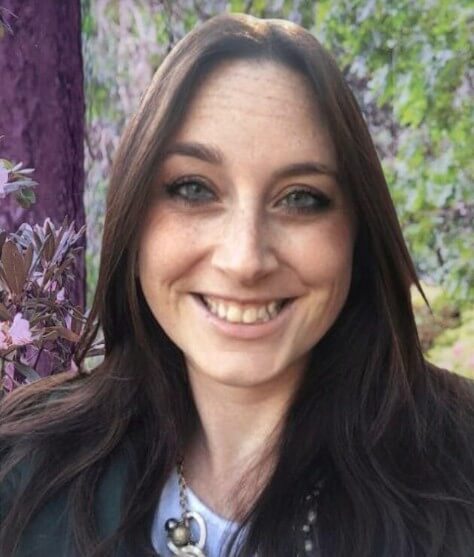
Jaime Johnson Fitzpatrick LCMHCS, LCAS is one of the Owners and Vice Presidents of Carolina Counseling Services. She is a Licensed Clinical Mental Health Counselor and Licensed Clinical Addictions Specialist in the State of North Carolina as well as a Licensed Mental Health Counselor in State of New York. Jaime is also certified in Dialectical Behavioral Therapy and utilizes various other approaches in her practice.

 The Teacherage offices are Accessible with an Accessible restroom.

 PO BOX 9909 Fayetteville, NC 28311