
What You Need to Know About Social Media and Your Mental Health
Social media plays a daily role in many of our lives. There can be positive aspects to it’s use as well as negative. For many of us it has shaped how we communicate, learn and connect with others. While this can have its benefits, social media can also have detrimental effects on our mental health.
It is important to get curious about how social media impacts you. Understanding these effects can help you to build healthier, more mindful digital habits.
The Positive Effects of Social Media (SM) on Mental Health
Although social media often gets criticized, it can provide meaningful benefits, including:
Social Connection: SM platforms allow you to stay in touch with loved ones, especially if they don’t live close.
- Creating Supportive Communities: There are times where you can find supportive, healthy communities online. These groups can provide support for a wide variety of things including mental health concerns, chronic illness or even bonding over shared experiences.
- Creative Expression: SM apps give people a space to express themselves through art, writing, video, and personal stories.
- Access to Information: Social media can spread mental health awareness, share educational content, and encourage people to seek help.
While these benefits are real, they exist alongside potential risks. It is important to decide whether the benefits outweigh the risks for you.
How Social Media Can Negatively Impact Mental Health
Despite its advantages, social media can contribute to emotional overwhelm and psychological distress. These risks can include:
• Increased Anxiety and Stress: Constant notifications, online arguments, or information overload can make users feel overwhelmed.
• Comparison and Low Self-Esteem: Seeing perfectly curated, filtered versions of other people’s lives can cause feelings of inadequacy or self-doubt.
• Symptoms of Depression: Excessive use—especially mindlessly scrolling- has been linked to loneliness, sadness, and mood changes.
• Sleep Issues: Late-night scrolling or blue-light exposure can interfere with sleep quality, which directly affects mental well-being.
• Fear of Missing Out (FOMO): Watching others participate in activities you’re not part of can create stress, insecurity, and pressure to stay constantly connected.
• Cyberbullying and Harassment: Negative online interactions can lead to emotional trauma, especially among teens.
Why Does Social Media Affect Our Mental Health?
The connection between social media and mental health is influenced by several psychological and neurological factors:
• Instant Gratification and Dopamine Rush: Likes, comments, and shares trigger our reward pathways in our brain, making social media habits harder to control.
• Algorithm Pressure: Platforms are designed to keep you engaged as long as possible, often pushing emotionally charged content.
• Unrealistic Standards: Filters, highlight reels, and influencer culture can distort your perception of what’s normal or attainable.
When you understand these impacts you can be more self-aware. If this sounds familiar to you it may be time to set healthier digital boundaries, therapy can help you learn ways to do this and to stay on the right track with your social media usage.
Who Is Most Vulnerable to Social Media’s Negative Effects?
Social media can have a negative impact on anyone, however, the following groups may be at increased risk:
- Teens and young adults
- People dealing with anxiety or depression
- Individuals who experience loneliness or isolation
- Heavy users (3+ hours per day)
- Those with perfectionist tendencies or low self-esteem
Building a Healthier Relationship With Social Media
Social media isn’t inherently good nor bad—it’s a tool. How it impacts you is up to you. This can be freeing and overwhelming all at the same time. The more you understand the risks of its use the sooner you can intervene and set healthier digital boundaries.
Setting boundaries can be complicated and overwhelming, therapy can help. Carolina Counseling Services contracts with skilled licensed therapists who can help. If you are looking for exceptional mental health care in Durham, North Carolina look no further than CCS. Online sessions are available as well making it easier than ever before to get quality psychiatric care anywhere in North Carolina. Reach out now to get started!
Providers are in network with most major insurances including Aetna, Aetna State Health Plan, Blue Cross and Blue Shield of North Carolina (Blue Cross NC), Tricare, Medicaid and many more!
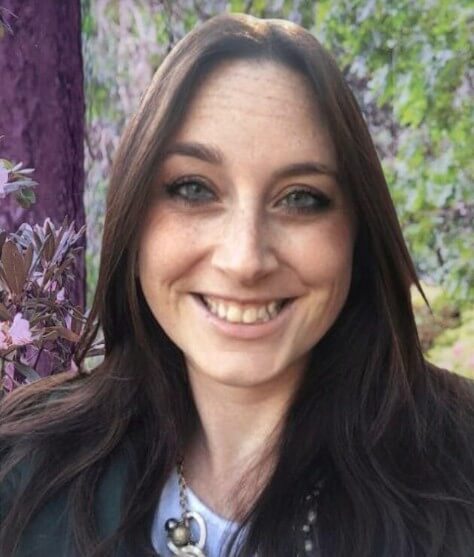
Jaime Johnson Fitzpatrick LCMHCS, LCAS is one of the Owners and Vice Presidents of Carolina Counseling Services. She is a Licensed Clinical Mental Health Counselor and Licensed Clinical Addictions Specialist in the State of North Carolina as well as a Licensed Mental Health Counselor in State of New York. Jaime is also certified in Dialectical Behavioral Therapy and utilizes various other approaches in her practice.

 The Teacherage offices are Accessible with an Accessible restroom.

 PO BOX 9909 Fayetteville, NC 28311