
Self-Harm: Finding Healing Through Comprehensive Treatment
Self-harm, also known as non-suicidal self-injury (NSSI), is a serious behavioral health concern that involves intentionally hurting oneself without the intent to end one’s life. While these behaviors may not be suicidal in nature, self-harm is often a sign of deeper emotional distress and should never be ignored.
Self-Harm: What Is It?
Self-harm refers to deliberate behaviors such as cutting, burning, or hitting oneself. Individuals who engage in self-injury often do so to:
- Cope with emotional pain or distress
- Express feelings they cannot verbalize
- Regain a sense of control
- Experience temporary relief from intense emotions
While self-harm may provide short-term relief, it is not a healthy coping strategy and can lead to long-term emotional and physical consequences.
What are the Causes?
Self-harm is commonly linked to underlying mental health conditions, including:
- Anxiety disorders
- Depression
- Eating disorders
- Trauma or PTSD
- Low self-esteem
Teens and young adults are particularly vulnerable due to emotional changes, peer pressure, and life transitions. Studies show that approximately 12-37% of US adolescents and 12-20% of young adults self-injury.
Signs of Self-Injury
Recognizing the warning signs early can help prevent long-term harm and open the door to treatment. Signs may include:
- Unexplained cuts, bruises, burns, or scars
- Frequent “accidents” or injuries
- Wearing long sleeves or pants even in warm weather
- Keeping sharp objects nearby
- Social withdrawal or relationship difficulties
- Emotional instability, impulsivity, or mood swings
- Expressions of hopelessness, worthlessness, or helplessness
- Persistent identity-related questions like “Who am I?”
Because self-harm is often done in private, these signs can be subtle. Early intervention is critical.
What are the Types?
Self-injury can take many forms, including:
- Cutting the skin (most common)
- Burning
- Head banging or hitting oneself
- Excessive scratching or picking at skin
- Pulling out hair (trichotillomania-related behaviors)
- Ingesting harmful substances
- Inserting objects into the body
- Intentionally causing fractures or injuries
Some individuals may also engage in excessive body piercing or tattooing as a form of self-harm.
Are There Risk Factors?
Although self-harm is often not intended to be fatal, it carries serious risks:
- Infection and medical complications
- Permanent scarring or disfigurement
- Increased feelings of shame, guilt, and isolation
- Worsening mental health conditions
- Accidental severe injury
- Increased risk of suicidal thoughts or behaviors
Research shows that self-harm can sometimes act as a precursor to suicidal behavior or increase risk, making early treatment essential.
The Addictive Behavior Debate
Self-harm can become a repetitive or compulsive behavior. This is partly due to the brain’s release of dopamine, a chemical that temporarily reduces emotional pain and creates a sense of relief.
While some experts debate whether self-harm is truly an “addiction,” many agree that it can form a habitual cycle that is difficult to break without professional support.
What are the Risk Factors for Self-Injury?
Certain factors may increase the likelihood of self-injury, especially in adolescents:
- Exposure to trauma or major life stressors
- Peer influence (friends who self-harm)
- Unsupportive or unstable home environments
- Substance use (alcohol or drugs)
- Underlying mental health disorders
- Difficulty expressing emotions
Understanding these risk factors can help parents and caregivers take proactive steps toward prevention.
Treatment Options
Self-harm is treatable, and recovery is possible with the right support. A comprehensive treatment plan may include:
Therapy Options
- Cognitive Behavioral Therapy (CBT)
- Dialectical Behavior Therapy (DBT), especially effective for self-harm
- Trauma-informed therapy
- Family counseling
Medication Management
When self-harm is linked to conditions like depression or anxiety, psychiatric medications may help regulate mood and reduce urges.
A licensed therapist and/or psychiatric professional can create a personalized treatment plan tailored to your needs.
Is It Time to Ask for Help?
If your child—or someone you love—is showing signs of self-harm, it’s important to act quickly. Self-injury is often a symptom of deeper emotional struggles and should not be dismissed.
Seek professional help if you notice:
- Repeated self-injury behaviors
- Escalating emotional distress
- Withdrawal from family and friends
- Signs of depression or anxiety
Early intervention can prevent long-term consequences and support lasting recovery. Especially with adolescents and teens.
Finding Collaborative Care
Self-harm is not simply “attention-seeking” behavior—it is a sign of real emotional pain. With a comprehensive treatment plan involving therapy and medication management, individuals can learn healthier coping strategies and regain control of their lives.
If you or your child is struggling, Reach out to Carolina Counseling Services in Durham, North Carolina today to schedule your first appointment. CCS contracts with exceptional licensed therapists and psychiatric professionals. You don’t have to choose between counseling and medication management. With CCS you can engage in both treatment approaches or start with the approach you feel would be most effective for you.
Providers are in network with most major insurances including Aetna, Aetna State Health Plan, Blue Cross and Blue Shield of North Carolina (Blue Cross NC), Tricare, Medicaid and many more. Online appointments are also available making getting the quality treatment you deserve easier than ever before!
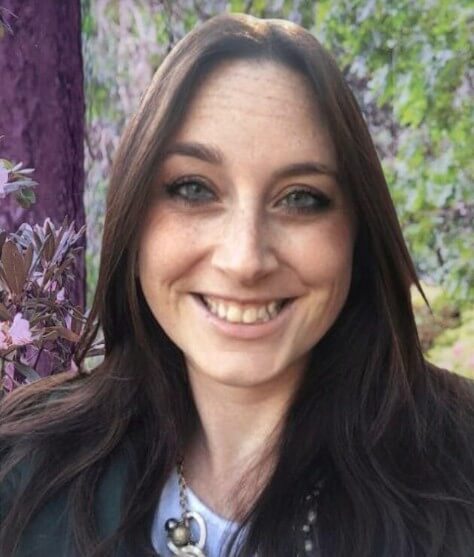
Jaime Johnson Fitzpatrick LCMHCS, LCAS is one of the Owners and Vice Presidents of Carolina Counseling Services. She is a Licensed Clinical Mental Health Counselor and Licensed Clinical Addictions Specialist in the State of North Carolina as well as a Licensed Mental Health Counselor in State of New York. Jaime is also certified in Dialectical Behavioral Therapy and utilizes various other approaches in her practice.

 The Teacherage offices are Accessible with an Accessible restroom.

 PO BOX 9909 Fayetteville, NC 28311