
Enough With the Psychobabble…..
Like many professions, mental health providers often use specialized terminology when discussing diagnosis, treatment, and research. While this language helps professionals communicate with one another, it can sometimes feel confusing for everyone else seeking therapy or psychiatric care.
Let’s explore psychobabble and break it down into terms that actually make sense!
What Does “Psychobabble” Mean?
The term psychobabble refers to speech or writing that relies heavily on psychological jargon or technical terms. The word combines psychology with babble, meaning speech that may sound complicated but is difficult for the average person to understand.
Psychological terminology is valuable in clinical and research settings, but when used excessively in everyday conversation, it can make simple ideas harder to understand.
In some cases, people outside the mental health field may use these terms incorrectly. This has become more common due to:
- Self-help books
- Social media discussions about mental health
- Popular culture references to psychological diagnoses
While these conversations help raise awareness, they can sometimes blur the line between everyday experiences and clinically diagnosed mental health conditions.
Consequences of Misusing Terms
When psychological terms are used casually or incorrectly, it can lead to confusion about real mental health conditions.
For example:
- Someone may describe a friend as “bipolar” simply because of mood changes.
- A person might say they have “OCD” because they prefer organization or cleanliness.
- Parents may describe a child as “defiant” when the behavior may actually reflect emotional distress.
These phrases are often used informally, but conditions such as bipolar disorder, obsessive-compulsive disorder, or oppositional defiant disorder are complex diagnoses that require professional evaluation.
Misunderstanding mental health terminology can sometimes cause individuals to minimize symptoms or delay seeking treatment.
The Importance of Clarity
Effective treatment depends on open and understandable communication between clients and providers.
Mental health professionals aim to:
- Explain diagnoses in clear, everyday language
- Discuss treatment options openly
- Ensure clients understand their care plan
- Create a supportive environment where questions are encouraged
When you fully understand your diagnoses and treatment, you are better able to participate actively in the therapeutic process.
What Do All These Letters Mean?
When searching for therapy or psychiatric care, you may encounter several different professional titles. These titles reflect differences in training, licensing, and services offered.
Psychiatrists
Psychiatrists are medical doctors who specialize in mental health. Because of their medical training, they can:
- Diagnose psychiatric conditions
- Prescribe medications
- Provide medication management
- Monitor treatment effectiveness and side effects
Psychiatric Mental Health Nurse Practitioners (PMHNP)
Psychiatric Mental Health Nurse Practitioners (PMHNPs) are advanced practice registered nurses who specialize in diagnosing and treating mental health conditions. They hold a master’s or doctoral degree in psychiatric nursing and receive extensive clinical training in mental health assessment, therapy, and medication management.
PMHNPs are qualified to:
- Diagnose mental health conditions
- Prescribe and manage psychiatric medications
- Provide psychotherapy and counseling
- Develop comprehensive treatment plans
Physician Assistants (PA) in Psychiatry
Physician Assistants (PAs) are licensed medical professionals who work under the supervision or collaboration of a physician. PAs receive graduate-level medical training and are qualified to diagnose illnesses, develop treatment plans, and prescribe medications.
In psychiatric and behavioral health settings, PAs may provide:
- Mental health evaluations and assessments
- Diagnosis of psychiatric conditions
- Medication prescribing and management
- Monitoring treatment progress and medication effectiveness
Psychologists
Psychologists typically hold a doctoral degree (PhD or PsyD) in psychology and specialize in:
- Psychological testing and assessments
- Research and clinical treatment
- Psychotherapy and counseling
Licensed Clinical Mental Health Counselors (LCMHC)
Licensed Clinical Mental Health Counselors have graduate-level training in counseling and extensive supervised clinical experience. LCMHCs offer assessment, diagnosis, treatment planning and effective therapy. They help clients address:
- Anxiety and stress
- Depression
- Life transitions
- Trauma and emotional challenges
- Relationship difficulties
Licensed Clinical Social Workers (LCSW)
Licensed Clinical Social Workers hold a master’s degree in social work and extensive supervised clinical training. They provide:
- Individual therapy
- Family counseling
- Emotional and behavioral support
- Case management and community resource coordination
Licensed Marriage and Family Therapists (LMFT)
LMFTs specialize in therapy focused on relationships and family systems. Their work often includes:
- Couples counseling
- Family therapy
- Relationship communication support
- Conflict resolution
Counseling and Medication Management
If you are feeling overwhelmed, struggling emotionally, or experiencing symptoms that affect your daily life, professional support can help.
Therapy and medication management services can provide:
- Accurate mental health evaluations
- Evidence-based treatment plans
- Supportive counseling
- Medication when appropriate
- Ongoing guidance and care
You deserve clear answers, compassionate support, and treatment that is easy to understand.
Getting the Treatment You Deserve
If you’re considering therapy or psychiatric care, working with a qualified mental health professional can help you better understand your symptoms and develop a plan for improvement.
Carolina Counseling Services in Fuquay-Varina, North Carolina contracts with licensed therapists and prescribers who provide care in a safe, supportive, and nonjudgmental environment. Services are confidential whether they are in person or online. All online sessions are through HIPAA compliant, secure platforms. Reach out to CCS today to schedule your first appointment!
Providers are in network with most major insurances including Aetna, Aetna State Health Plan, Blue Cross and Blue Shield of North Carolina (Blue Cross NC), Tricare, Medicaid and many more. Online appointments are also available making getting the quality treatment you deserve easier than ever before! All online services are delivered through HIPAA compliant, secure platforms.
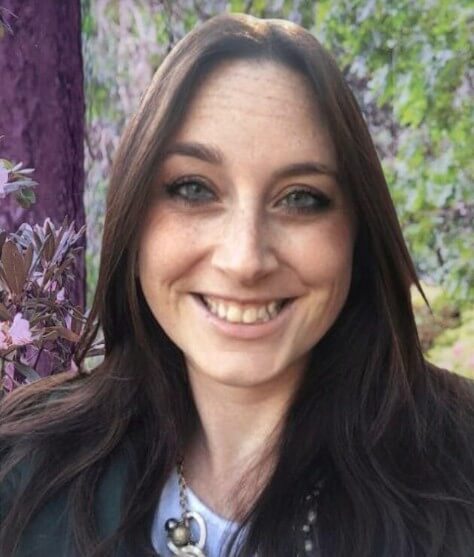
Jaime Johnson Fitzpatrick LCMHCS, LCAS is one of the Owners and Vice Presidents of Carolina Counseling Services. She is a Licensed Clinical Mental Health Counselor and Licensed Clinical Addictions Specialist in the State of North Carolina as well as a Licensed Mental Health Counselor in State of New York. Jaime is also certified in Dialectical Behavioral Therapy and utilizes various other approaches in her practice.

 The Teacherage offices are Accessible with an Accessible restroom.

 PO BOX 9909 Fayetteville, NC 28311