
A Modern Look at Therapy and Medication: Are Psychiatric Medications a Last Resort?
Many people assume that psychiatric medications are only used when all other options have failed. This idea—that medication should be a “last resort”—is still common, but it doesn’t reflect how modern mental health care actually works.
Today, psychiatric medications are viewed as one of several effective treatment tools that may be used at different points in a person’s mental health journey. For some, they are helpful early on. For others, they may never be needed at all. The right approach depends on the individual, their symptoms, and their goals for treatment.
How Psychiatric Medications Fit Into Mental Health Care
Psychiatric medications are designed to help manage symptoms related to mental health conditions such as:
- Depression
- Anxiety disorders
- PTSD
- Bipolar disorder
- ADHD
These medications can help regulate mood, reduce distressing symptoms, and improve overall functioning. When symptoms are overwhelming, medication may provide relief that allows a person to more fully participate in therapy and daily life.
Importantly, medication does not “erase” emotions or replace personal growth—it supports stability so healing work can continue.
The Myth of “Last Resort” Treatment
The idea that medication should only be used after therapy or other interventions fail is a misconception.
In clinical practice, psychiatric medications may be considered:
- When symptoms are significantly impacting daily life
- When emotional distress is severe or persistent
- When therapy alone is not enough to relieve symptoms
- When a person is experiencing a mental health crisis
- When biological factors play a strong role in symptoms
For some individuals, medication is introduced early to help stabilize symptoms. For others, therapy may be sufficient on its own. There is no universal sequence that applies to everyone.
Therapy, Medication, or Both?
Mental health treatment is most effective when it is personalized. Therapy and medication are not opposing approaches—they often work best together.
- Therapy helps individuals explore thoughts, emotions, behavior patterns, and life experiences
- Medication helps reduce symptoms that may be interfering with functioning and emotional regulation
When used together, they can provide both short-term relief and long-term emotional growth.
When Medication May Be Recommended
A provider may discuss psychiatric medication when someone is experiencing:
- Ongoing depression that affects daily functioning
- High levels of anxiety or panic symptoms
- Difficulty sleeping due to mental health concerns
- Trouble concentrating or managing responsibilities
- Intense emotional distress or intrusive thoughts
In these cases, medication may help reduce symptom intensity so that therapy and coping strategies can be more effective.
Addressing Common Concerns About Medication
It is normal to feel uncertain about starting psychiatric medication. Many people have questions such as:
- “Will I still feel like myself?”
- “Is medication something I’ll need forever?”
- “Does needing medication mean I’m severely ill?”
- “What if I don’t want to take it long-term?”
These concerns are valid and should always be discussed openly with a licensed provider. Treatment plans are not permanent—they are flexible and can be adjusted over time.
A Collaborative Approach to Treatment
Modern mental health care often involves collaboration between therapists and psychiatric providers. This team approach ensures that:
- Treatment is tailored to the individual
- Progress is monitored over time
- Medication and therapy are aligned
- Adjustments can be made based on response and comfort
This collaborative model helps individuals feel supported and actively involved in their own care.
Rethinking What “Last Resort” Really Means
Rather than viewing psychiatric medication as a last resort, it may be more helpful to see it as a flexible option within a broader treatment plan. For some people, it is a starting point. For others, it is one part of an ongoing process. And for many, it is not needed at all.
What matters most is finding the right combination of support that helps each person feel better, function more fully, and move toward their goals.
Getting the Right Support
If you are unsure whether therapy, medication, or both are appropriate, a licensed mental health professional can help guide you through your options. Mental health care should never feel rigid or one-dimensional—it should be responsive to your needs.
Asking questions and exploring possibilities is an important step in taking care of your well-being.
You Deserve a Personalized Approach to Care
There is no single path to mental wellness. Whether you are considering therapy, medication, or a combination of both, support is available to help you make informed, confident decisions.
Reaching out is not a last resort—it is a proactive step toward feeling better. Carolina Counseling Services in Fuquay-Varina, North Carolina contracts with exceptional licensed psychiatric professionals and therapists. Reach out to CCS today to get started!
Our Fuquay-Varina Office is conveniently located, servicing not only Fuquay-Varina but also Garner, Clayton, Raleigh, Zebulon, Wendell and surrounding areas.
Providers are in network with most major insurances including Aetna, Aetna State Health Plan, Blue Cross and Blue Shield of North Carolina (Blue Cross NC), Tricare, Medicaid and many more. Online appointments are also available making getting the quality treatment you deserve – anywhere in North Carolina- easier than ever before!
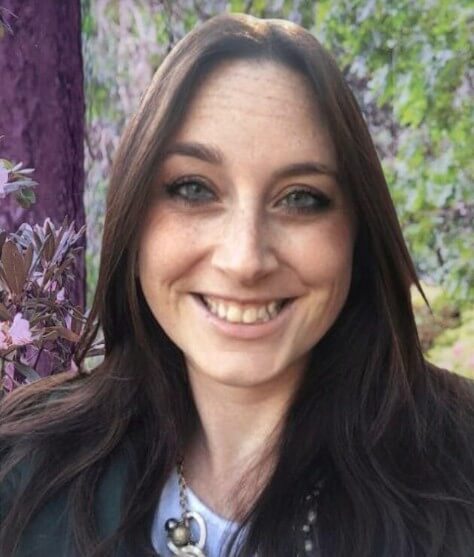
Jaime Johnson Fitzpatrick LCMHCS, LCAS is one of the Owners and Vice Presidents of Carolina Counseling Services. She is a Licensed Clinical Mental Health Counselor and Licensed Clinical Addictions Specialist in the State of North Carolina as well as a Licensed Mental Health Counselor in State of New York. Jaime is also certified in Dialectical Behavioral Therapy and utilizes various other approaches in her practice.

 The Teacherage offices are Accessible with an Accessible restroom.

 PO BOX 9909 Fayetteville, NC 28311