
Are You At Greater Risk for Seasonal Affective Disorder?
Ever notice how the change in seasons can affect how you feel? As the season starts to change and the days get shorter, you may notice that you feel a bit down. For some people, these seasonal changes can bring on more than just brief periods of feeling less motivated. It is estimated that millions of Americans experience Seasonal Affective Disorder (SAD) according to the National Institute of Mental Health (NIMH). The more you know about SAD, the sooner you can get help.
SAD can feel like a cloud that hangs over you, making it hard to enjoy life. It’s not just feeling a little sad. Seasonal Affective Disorder is a form of depression that comes and goes with the seasons.
So, what can cause SAD? Well, one big factor is sunlight. As the days get shorter, we get less natural light, which can impact mood-regulating chemicals in the brain. Add in the stress of the holidays and family gatherings, and it’s no wonder you may be feeling overwhelmed.
Greater Risk Factors
The truth is that anyone can develop SAD, however, there are certain groups of people that may be more likely than others to experience symptoms. These individuals can include:
- Women: Unfortunately, women are more likely than men to develop SAD, approximately 4 out of 5 according to Dr. Kirtly Parker Jones.
- The greater your distance from the equator: Those who live far north or south of the equator are more susceptible to SAD due to decreased sunlight exposure during the winter months.
- Those with a family history of depression: If depression runs in your family, you’re more likely to develop SAD.
- Those with depression or bipolar disorder: Symptoms of depression and bipolar disorder can worsen during seasonal changes, increasing the risk of SAD.
- Younger folks: Children and teenagers are at a higher risk of SAD compared to older adults.
Understanding these risk factors can help identify individuals who may benefit from early intervention and support for managing SAD symptoms. If you or someone you know falls into one of these high-risk groups, it can be helpful to use interventions before you need them. This can help prevent symptoms from worsening and allow you to feel better sooner.
Treating SAD Effectively
But here’s the good news: SAD is treatable. Therapy, light therapy, medication management and other treatments can help you manage your symptoms and feel more like yourself again. And the sooner you seek help, the better.
If you’re struggling with SAD or just feeling down as the seasons change, know that you’re not alone. Carolina Counseling Services in Durham, NC contracts with skilled licensed therapists and psychiatric professionals. Combining counseling with psychiatric medications can be a powerful way to treat SAD. Providers are in network with most major insurances including Aetna, Aetna State Health Plan, Blue Cross and Blue Shield of North Carolina (Blue Cross NC) and many more! Give us a call today to schedule your first appointment. You deserve to enjoy every season!
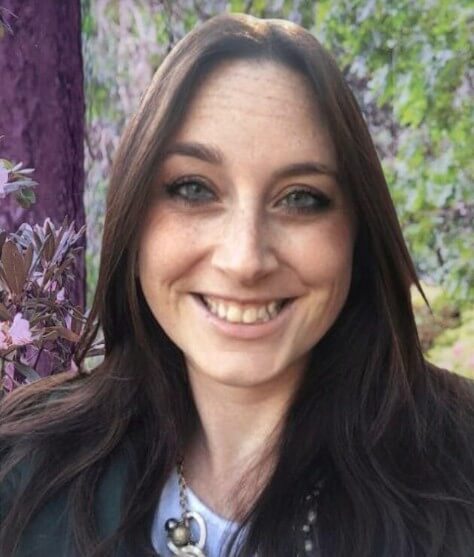
Jaime Johnson Fitzpatrick LCMHCS, LCAS is one of the Owners and Vice Presidents of Carolina Counseling Services. She is a Licensed Clinical Mental Health Counselor and Licensed Clinical Addictions Specialist in the State of North Carolina as well as a Licensed Mental Health Counselor in State of New York. Jaime is also certified in Dialectical Behavioral Therapy and utilizes various other approaches in her practice.

 The Teacherage offices are Accessible with an Accessible restroom.

 PO BOX 9909 Fayetteville, NC 28311