
Six Ways Couples Therapy Can Help
How often do you check in on the health of your relationship? For most of us, this isn’t a daily practice. If there are no major conflicts, counseling could be the farthest thing from your mind. Counseling, however, is not only helpful when your relationship is struggling. Many wait far too long to seek therapy. It can be a proactive move to look into counseling sooner rather than later if you feel your relationship could be better.
If you are in the midst of a relationship conflict or crisis, you may be trying to address the problem on your own. There is nothing wrong with this approach; it is healthy that you stay committed to seeking a solution for your relationship concerns. However, it is often better not to wait too long before seeking the guidance of an experienced counselor.
Couples therapy can help you improve your relationship, learning strategies and skills to resolve your differences and conflicts. Here are six ways a therapist or counselor can help your relationship:
- A therapist can encourage new perspectives. Opposites attract, and you and your partner may have enjoyed the novelty of being different from each other, but this can also breed conflict in your relationship. If your efforts to resolve problems are not working, it can be helpful to consider other strategies. Sticking to your old solutions may only lead you into a never-ending cycle of conflict.
A therapist can offer you a different perspective to prevent conflicts, to manage them at the height of the disagreement, and to address them afterwards to heal your pain or resolve your frustration or anger.
- Conflict resolution skills. You and your partner may have become so entrenched in an unresolved conflict that it is difficult for you to spot what usually leads up to it.
A therapist is equipped with effective tools that can help you recognize the signs of an imminent disagreement. With their help, you can minimize, if not totally avoid, unhealthy confrontations.
- Improve your communication. Anger, frustration, and hurt may have made you stop talking to each other. Avoiding your problems by not talking is not healthy. Talking about it can break down the wall you have built between you. Talking is important in building a healthy relationship, however, it has to be the kind of talking that fosters positive interaction.
A therapist can help you to improve your communication. Communicating effectively can lead to understanding and rebuilding trust and respect, which are important in a loving relationship.
- Counseling can provide a neutral place. It can be difficult to talk and resolve your concerns when surrounded by people (usually family and friends) who are biased. Your home/children can also make it difficult for you to talk or process, preventing you from moving forward.
A non-judgmental and objective counselor can give you a venue to sort out your differences without being judged. It can be refreshing to talk freely and to hear your partner talk about matters that you may have misunderstood in the past.
- Therapists can help you to process with less fear. When you are swamped by too many emotions, it is easy to fear what lies ahead and it can be hard to recognize what is so precious in your relationship.
A therapist can help you find or summon the courage to sort through the things that you ought to consider in rebuilding your relationship.
- Help you to fix your relationship. If you both are willing to do the work, it is likely that you can repair your relationship. It may have been damaged by your conflicts, but it is possible to allow love and commitment to take center stage again.
Your therapist can help you see things in a different light by talking, accepting each other, and working on ways to resolve old conflicts and prevent new ones from becoming too intense.
Counseling can help you to get stronger together. Carolina Counseling Services contracts with caring, skilled licensed therapists. If you are looking for exceptional mental health care in Durham, NC look no further than CCS. Online sessions are available as well making it easier than ever before to get quality counseling anywhere in North Carolina. Reach out now to get started!
Providers are in network with most major insurances including Aetna, Aetna State Health Plan, Blue Cross and Blue Shield of North Carolina (Blue Cross NC), Tricare, Medicaid and many more!
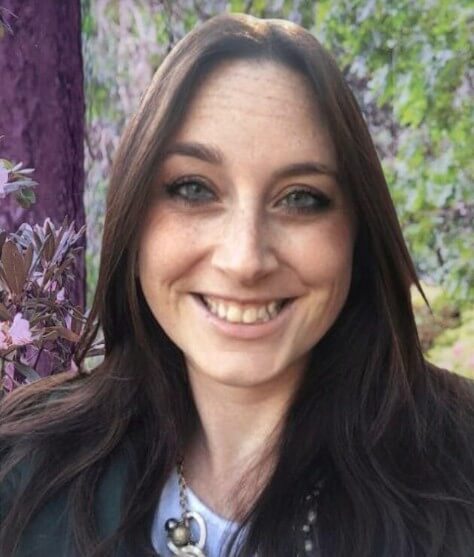
Jaime Johnson Fitzpatrick LCMHCS, LCAS is one of the Owners and Vice Presidents of Carolina Counseling Services. She is a Licensed Clinical Mental Health Counselor and Licensed Clinical Addictions Specialist in the State of North Carolina as well as a Licensed Mental Health Counselor in State of New York. Jaime is also certified in Dialectical Behavioral Therapy and utilizes various other approaches in her practice.

 The Teacherage offices are Accessible with an Accessible restroom.

 PO BOX 9909 Fayetteville, NC 28311