
Coping with Childhood Hurts
Audio Version
As we move through life, many of us carry childhood hurts into adulthood without realizing it. These wounds may not always be glaringly obvious, though they can come from small moments, unspoken words, or unmet needs that quietly shape how we view relationships and ourselves.
Recognizing childhood hurts is not about making excuses for present challenges, it’s about understanding patterns. The American Psychological Association (APA) explains that childhood experiences influence adult mental health, impacting attachment styles, emotional regulation, and relationship expectations.
How Childhood Hurts Show Up in Adulthood
Triggers often reveal unresolved pain:
- Overreacting to criticism
- Struggling with trust
- Difficulty setting boundaries
- Repeating unhealthy relationship patterns
The Centers for Disease Control and Prevention (CDC) notes that adverse childhood experiences (ACEs) have a long-term impact on physical and mental health. Recognizing these patterns is the first step toward healing.
The Goal Is Healing, Not Avoidance
Avoidance may feel easier, but it doesn’t resolve the issue. True growth comes from acknowledging the pain and intentionally processing it. That might mean:
- Journaling to explore feelings
- Practicing self-compassion
- Seeking therapy to uncover deep-rooted patterns
A study from the National Institute of Mental Health (NIMH) supports therapy as an effective approach for resolving childhood trauma and reducing emotional distress (nimh.nih.gov).
You’re Not Alone in This Journey
It’s okay to admit, “I’m not okay”. It’s a sign of strength to acknowledge that healing takes work. When we don’t process these experiences, they can quietly resurface in relationships and daily life. But with intention and support, you can learn to stop carrying those hurts and create healthier patterns.
If childhood pain is affecting your present, don’t avoid it, address it. Therapy can be the safe space to do this work. At Carolina Counseling Services in Durham, NC we have licensed professionals available to provide your therapy and psychiatry needs.
We accept Aetna, Aetna State Healthplan, Blue Cross Blue Shield of North Carolina, Tricare, and many of the Medicaid policies to include Alliance, Carolina Complete Health, WellCare, Healthy Blue, and United Healthcare. Don’t be afraid to give us a call.
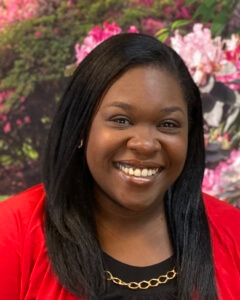
Ebone L. Rocker, LCMHCS, is one of the Owners and Vice Presidents of Carolina Counseling Services. She is a Licensed Clinical Mental Health Counselor Supervisor in the State of North Carolina.

 The Teacherage offices are Accessible with an Accessible restroom.

 PO BOX 9909 Fayetteville, NC 28311